

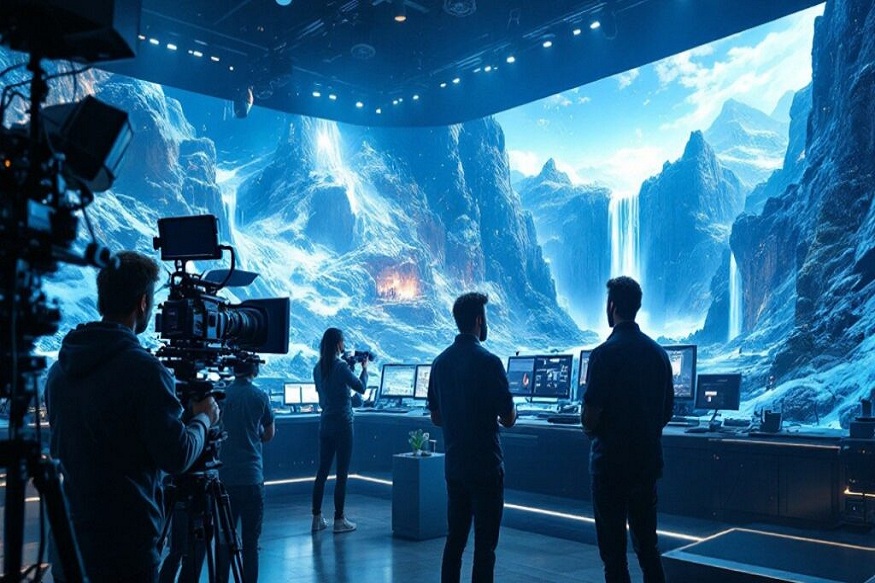
The way creative projects are developed and delivered has undergone a dramatic transformation in recent years. Whether in advertising, video production, graphic design, architecture, digital media, or content creation, creative teams are no longer confined to a single office or studio. Instead, professionals often collaborate across different cities, countries, and time zones, bringing together diverse expertise to produce high-quality work. As a result, the demand for sophisticated collaboration solutions has increased significantly. Modern creative production platforms have emerged as comprehensive environments that support every stage of the creative process while ensuring consistency, quality, and seamless teamwork.
Features of Cutting-Edge Creative Production Platforms
One of the most significant advancements in modern creative production platforms is the introduction of persistent collaborative workspaces. Unlike traditional meeting environments that exist only during scheduled sessions, persistent workspaces remain active throughout the entire lifecycle of a project. These dedicated environments act as central hubs where teams can store media assets, document decisions, share feedback, and maintain project history. Every interaction, annotation, and revision remains accessible long after a meeting concludes. This continuity allows creative professionals to return to a project without losing momentum or context.
Read More: Track Competitors Pricing to Stay Ahead in a Competitive Market
Rather than restarting discussions or searching through emails for previous feedback, team members can immediately access everything associated with the project. Creative decisions made weeks earlier remain visible and traceable, helping teams maintain consistency and avoid misunderstandings. Persistent creative production platforms also support long-term projects that may span several months, ensuring that valuable information is never lost between review sessions. For organizations handling multiple concurrent projects, these workspaces create a structured environment where every project maintains its own history, assets, and collaboration records.
Visual quality is at the heart of creative production. Designers, editors, photographers, and filmmakers rely on accurate representations of media to make informed decisions. Even small variations in color, sharpness, or image quality can significantly impact the final result. Modern creative production platforms address this need by supporting native, full-resolution media presentation. Instead of compressing content for convenience, these systems preserve the original quality of videos, images, and design files. This ensures that every participant views content exactly as intended.
High-resolution playback enables teams to evaluate subtle details, assess visual consistency, and make precise adjustments during collaborative review sessions. Whether reviewing a commercial, evaluating a branding concept, or refining architectural renderings, participants can work with confidence knowing that the displayed content accurately reflects the final output. Many advanced platforms also support the simultaneous display of multiple media assets. This capability allows creative teams to compare alternatives side by side, making it easier to evaluate different concepts, revisions, or creative directions. For example, design teams can compare several branding concepts simultaneously, while video editors can evaluate different cuts, transitions, or color grades in a single view. This side-by-side comparison accelerates decision-making and promotes more informed discussions among stakeholders.
Read More: How a Virtual Assistant Company Saves Time and Money
Constructive feedback is essential to every creative process. However, vague comments and unclear instructions can slow progress and create confusion. To address this issue, creative production platforms incorporate advanced annotation features that allow participants to provide highly specific feedback. Team members can place comments directly on images, videos, designs, or documents, ensuring that suggestions are linked to exact visual elements