
In an era defined by speed and innovation, it is easy to assume that progress is driven purely by technology. Automation, digital planning and advanced manufacturing all play a role in shaping modern industry. Yet beneath these developments lies something far more fundamental. The materials themselves.
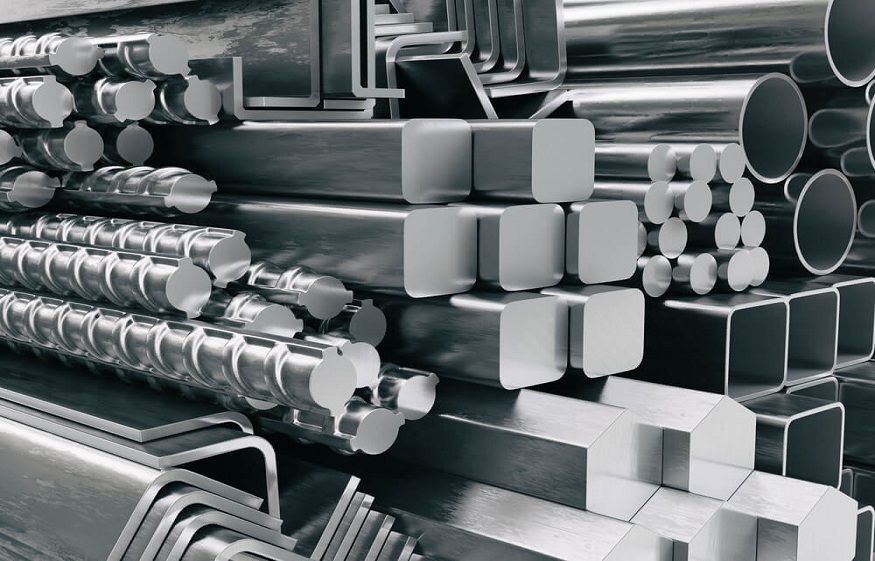
Steel continues to underpin a wide range of sectors, from construction and infrastructure to fabrication and manufacturing. Its strength, versatility and durability make it essential, but the true value of steel lies not just in its properties, but in how consistently it can be sourced and supplied.
Read More: Charles Spinelli Provides an Introduction to Business Li
The Quiet Importance of Consistency
Consistency is rarely celebrated, but it is critical to industrial success. Projects depend on materials arriving on time, meeting specification and performing as expected. When this happens, it often goes unnoticed. When it does not, the impact is immediate.
Delays in material supply can halt projects, disrupt schedules and increase costs. Inconsistent quality can lead to rework, safety concerns and inefficiencies. These issues ripple across teams and timelines, affecting more than just the initial delivery.
Reliable supply creates confidence. It allows engineers, fabricators and project managers to focus on their work without unnecessary interruption.
Understanding the Supply Chain Behind the Material
Steel supply is not a single step process. It involves sourcing, storage, processing and delivery, each of which influences the final outcome. Proper handling ensures that materials maintain their integrity from origin to application.
Storage conditions affect quality. Handling methods influence usability. Cutting and preparation determine how efficiently steel can be integrated into a project. Each stage requires attention to detail.
When these elements are managed well, the material performs as expected. When they are overlooked, problems can arise further down the line.
Why Availability Matters More Than Ever
Global supply chains have become more complex in recent years. External factors can influence availability, lead times and pricing in ways that are difficult to predict.
Having access to readily available stock reduces reliance on extended supply chains. It allows businesses to respond quickly to changing project requirements and maintain momentum when plans evolve.
This is where steel stockholders play a vital role, providing immediate access to materials that support continuity across industries.
Supporting a Range of Applications
Steel is used in a wide variety of applications, each with its own requirements. Structural projects demand strength and reliability. Fabrication work requires precision and adaptability. Manufacturing environments depend on consistency and efficiency.
Understanding these differences is essential. Supplying steel is not simply about providing material. It is about ensuring that the material suits its intended use.
This level of understanding helps reduce waste, improve efficiency and support better outcomes across projects.
The Role of Experience in Material Supply
Experience brings perspective. Suppliers who have worked across multiple industries develop an understanding of how materials are used in practice, not just in theory.
This insight allows them to anticipate challenges, recommend suitable solutions and support projects more effectively. It also helps build trust between supplier and customer.
Companies such as P&D Northern Steels bring this experience to their work, supporting a range of industries with practical knowledge and consistent supply.
Reducing Waste Through Better Planning
Material waste is a concern for both economic and environmental reasons. Poor planning, inaccurate cutting and inconsistent supply all contribute to unnecessary waste.
By focusing on accuracy and preparation, it is possible to reduce excess material and improve efficiency. This benefits both the project and the wider environment.
Planning ahead allows materials to be used more effectively, supporting better outcomes without increasing cost.
Sustainability and Long-Term Thinking
Sustainability is becoming increasingly important across all industries. Steel plays a role in this conversation due to its recyclability and long lifespan.
Using steel responsibly involves more than choosing the right material. It includes managing how it is stored, processed and used. Reliable supply reduces the need for replacements and minimises waste.
Long-term thinking supports both environmental responsibility and operational efficiency.
Adapting to Industry Change
The way steel is used continues to evolve. Advances in design, fabrication and construction methods influence how materials are specified and delivered.
Suppliers must adapt to these changes to remain relevant. Flexibility, investment and a willingness to understand new approaches all contribute to this adaptability.
Steel itself may be a traditional material, but its application is constantly developing.
The Value of Strong Relationships
Despite technological advances, relationships remain central to industrial supply. Clear communication and mutual understanding support smoother operations.
When suppliers understand the needs of their customers, they can provide more effective support. This reduces friction and helps projects run more efficiently.
Read More: Planning to Buy a Water Softener? Keep These
Strong relationships also support long-term planning, allowing businesses to work together more effectively over time.
Reliability as a Competitive Advantage
In competitive industries, reliability can be a significant advantage. Businesses that can depend on their supply chain are better positioned to meet deadlines and maintain quality.
This reliability supports reputation. It builds confidence with clients and partners. It also reduces stress within teams, allowing them to focus on delivering their work.
Consistency may not always be visible, but it has a lasting impact.
Looking Beyond the Material Itself
Steel is more than just a product. It is part of a larger system that supports construction, manufacturing and infrastructure.
By understanding the importance of supply, consistency and planning, businesses can make better decisions about how they source and use materials.
The success of a project often depends on factors that are not immediately visible. Material reliability is one of them.
A Foundation That Supports Everything Else
Modern industry may continue to evolve, but its foundations remain the same. Strong, reliable materials underpin everything that is built and created.
By prioritising consistency, working with experienced suppliers and planning effectively, businesses can ensure that their projects are supported from the ground up.
In a fast-moving world, it is often the most dependable elements that make the greatest difference.