

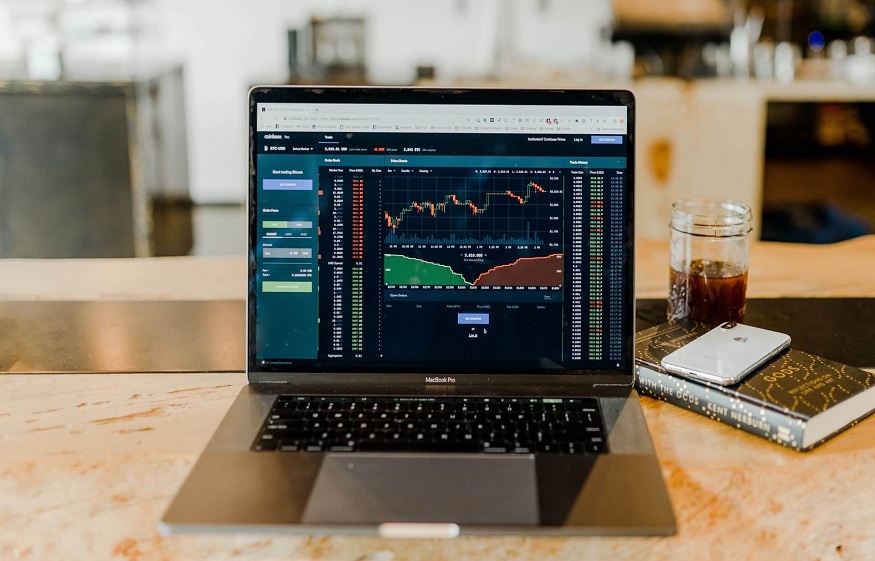
To track competitors pricing is no longer optional for businesses operating in fast-moving digital markets. Pricing directly influences customer decisions, brand positioning, and profit margins. When competitors adjust their prices and you remain unaware, you risk losing sales, underpricing your value, or eroding profitability. By tracking competitor pricing consistently, businesses gain clarity on market trends, pricing gaps, and opportunities to compete smarter rather than cheaper.
In this guide, we will explore why competitor price tracking matters, how it impacts business strategy, and the most effective ways to implement a pricing intelligence system that supports sustainable growth.
Why Tracking Competitor Pricing Is Critical for Business Growth
Pricing is one of the most visible decision points for customers. Even minor price differences can influence purchasing behavior, especially in industries such as ecommerce, SaaS, retail, and digital services.
When you track competitors pricing, you gain insights into how your brand is positioned in the market. You can identify whether you are priced as a premium option, a value-driven alternative, or a mid-market solution. This understanding helps align pricing with brand perception rather than reacting blindly to competitors.
Another major benefit is risk reduction. Sudden competitor discounts, seasonal sales, or promotional campaigns can disrupt demand overnight. Businesses that actively monitor pricing changes can respond strategically instead of scrambling after revenue declines.
Read More: How a Virtual Assistant Company Saves Time and Money
How Competitor Pricing Impacts Customer Decisions
Customers compare prices more than ever. With price comparison tools, online reviews, and marketplaces, buyers can assess multiple options in minutes. If your pricing is significantly higher without a clear value justification, potential customers may move on.
On the other hand, pricing too low can signal poor quality or weaken long-term profitability. Tracking competitor pricing allows you to strike a balance. You can maintain competitive rates while highlighting differentiators such as service quality, features, reliability, or support.
Understanding competitor pricing also helps identify psychological pricing patterns. For example, many brands cluster prices within a narrow range to appear comparable. Recognizing these patterns enables you to position your offering strategically within or outside that range.
Industries That Benefit Most from Tracking Competitor Pricing
While all businesses can benefit, some industries rely heavily on pricing intelligence.
Ecommerce brands use competitor price tracking to stay competitive across marketplaces, manage promotions, and optimize product listings. Even a small pricing mismatch can result in lost visibility or reduced conversions.
SaaS companies track pricing tiers, feature limits, and subscription discounts to ensure they remain competitive while protecting recurring revenue.
Service-based businesses use competitor pricing data to benchmark retainers, hourly rates, and bundled offerings. This helps justify pricing during sales conversations and proposal negotiations.
Hospitality, travel, and event spaces also rely on dynamic pricing. Monitoring competitor rates ensures availability, occupancy, and revenue optimization throughout peak and off-peak periods.
Read More: Planning Big-Ticket Purchases Without Overstretching Finances
Manual vs Automated Competitor Price Tracking
Many businesses start by manually checking competitor websites. While this approach may work initially, it becomes inefficient as the number of competitors, products, or services increases.
Manual tracking is time-consuming and prone to errors. Prices change frequently, promotions expire, and regional variations complicate comparisons. Relying solely on manual methods can result in outdated data that leads to poor decisions.
Automated pricing tools provide real-time or scheduled updates, ensuring accuracy and consistency. These tools collect data across websites, marketplaces, and regions, offering structured insights that are easy to analyze.
For growing businesses, automation is not just a convenience. It is a necessity for maintaining pricing agility at scale.
Key Metrics to Monitor When Tracking Competitor Pricing
Tracking prices alone is not enough. The real value comes from analyzing the right metrics.
Price positioning shows where your offering sits relative to competitors. This helps determine whether adjustments are needed to match market expectations.
Discount frequency reveals how often competitors run promotions. Frequent discounting may signal aggressive customer acquisition or inventory clearance strategies.
Price volatility highlights how often prices change. High volatility suggests a highly competitive market where dynamic pricing strategies are essential.
Bundling and value adds also matter. Competitors may maintain higher prices while offering additional services, warranties, or features that justify the cost.
Common Mistakes Businesses Make When Tracking Competitor Pricing
One common mistake is racing to the bottom. Lowering prices without understanding margins, costs, and value differentiation can damage profitability and brand trust.
Another mistake is tracking too many competitors. Focusing on direct competitors with similar target audiences and value propositions delivers more actionable insights than monitoring every available option.
Businesses also fail when they collect data but do not act on it. Pricing intelligence must feed into decision-making processes such as promotions, product launches, and sales strategies.
Finally, ignoring regional or channel-based pricing differences can lead to inaccurate conclusions. Competitor pricing often varies across platforms, locations, and customer segments.
How to Use Competitor Pricing Data Strategically
Effective pricing strategy goes beyond matching competitors. Use pricing insights to reinforce your unique value proposition.
If your product is priced higher, emphasize quality, performance, or customer experience. If priced lower, highlight efficiency, simplicity, or cost savings.
Pricing data can also inform timing. Launch promotions when competitors raise prices. Introduce premium tiers when the market shows willingness to pay more.
Sales teams benefit from pricing intelligence during negotiations. Being aware of competitor rates enables confident conversations and strengthens objection handling.
Building a Sustainable Pricing Intelligence Process
To track competitors pricing successfully, consistency matters. Set a clear schedule for monitoring prices and reviewing insights. Assign ownership to ensure accountability across teams.
Integrate pricing data with analytics, sales performance, and customer feedback. This creates a holistic view that supports smarter decisions.
As markets evolve, refine your competitor list and tracking criteria. Pricing intelligence should adapt alongside business growth and customer expectations.
Final Thoughts
To track competitors pricing effectively is to gain control over one of the most influential aspects of your business strategy. Pricing intelligence empowers businesses to respond proactively, protect margins, and position themselves confidently in competitive markets.
Rather than guessing or reacting late, consistent competitor price tracking enables informed decisions backed by real data. In an environment where pricing shifts happen fast, staying informed is the key to staying ahead.